


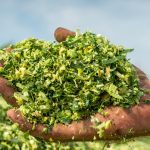


Silage: A Nutrient-Rich Feed for Livestock
Silage is a preserved form of forage that provides livestock with high-quality nutrition throughout the year. In an airtight environment, it is created through the controlled fermentation of green fodder, such as grass, corn, or legumes. This process ensures that the feed retains its nutrients while becoming more digestible for animals.
The Process of Making Silage
Silage preparation involves several key steps:
Harvesting – Green fodder is cut at its optimal growth stage to maximize nutrients.
Chopping – The fodder is chopped into small pieces to promote even fermentation.
Packing and Sealing – The chopped forage is packed tightly in silos, trenches, or plastic bags and sealed to prevent air exposure.
Fermentation – Over a few weeks, natural bacteria convert sugars in the fodder into lactic acid, preserving the feed and preventing spoilage.
Benefits of Silage
Silage offers multiple advantages for farmers and livestock:
High Nutritional Value – Retains proteins, energy, and fiber essential for animal health.
Year-Round Feed Supply – Provides a stable source of feed, even during dry seasons.
Improved Digestion – The fermentation process enhances digestibility for ruminant animals.
Reduces Waste – Properly stored silage has a longer shelf life compared to dry fodder.